
One Platform. Consistent Results at Any Scale.
Build your process at 250 mL. Scale to large batch volumes. Same platform, same product quality — no equipment changeover, no re-optimization.
Have Questions First? Schedule a call >
Elastic Scale: One Seamless System
Cell culture scale-up shouldn't require a $400K system, a specialized facility, or months of setup. Evoworks is built around a single-use consumable vessel and configurable hardware that work together, taking you from optimization to large-batch production without switching platforms.
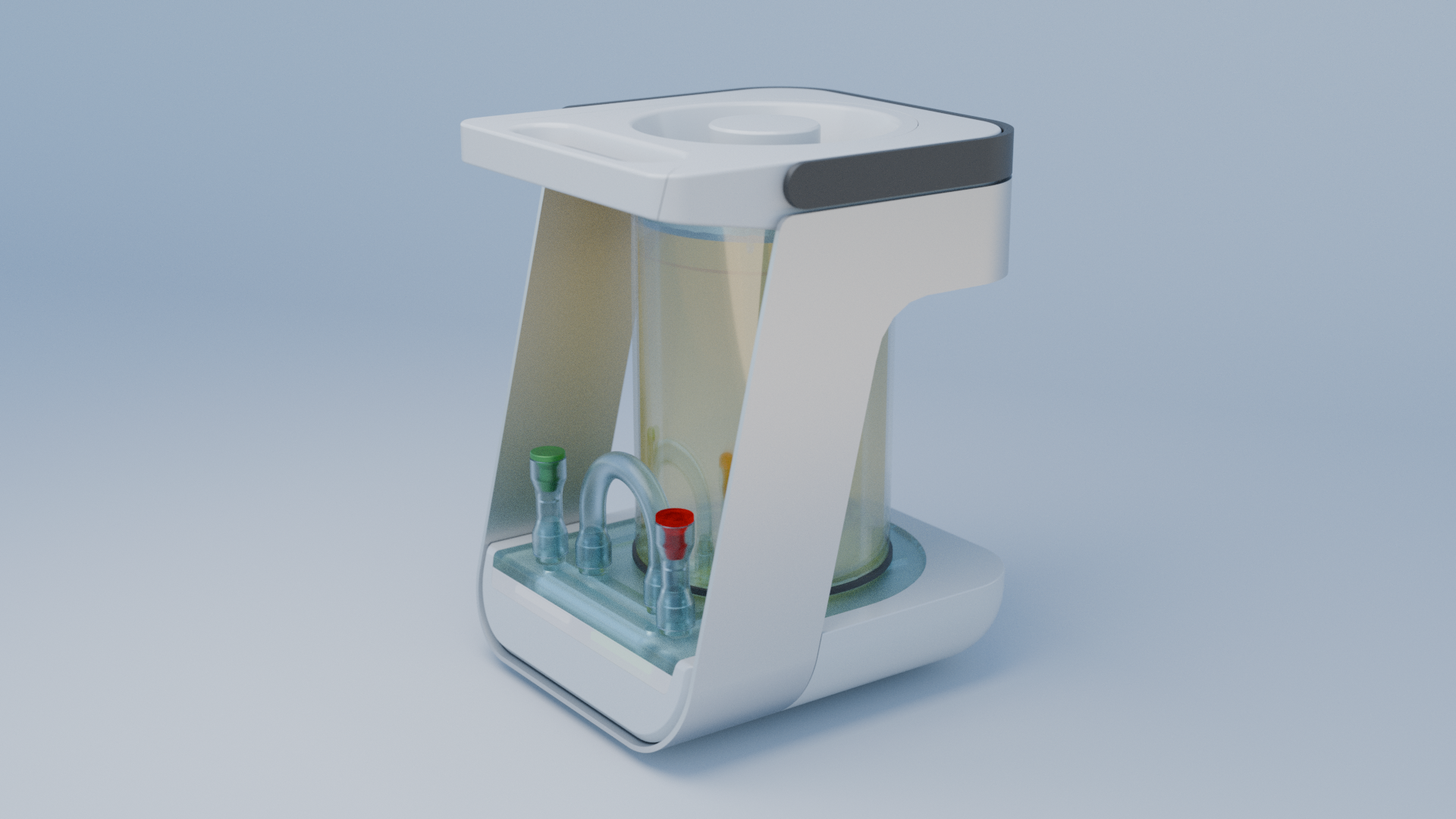
EvoNode —Your Single-Use Vessel
Think of EvoNode as a sophisticated replacement for a shake flask. It's where your cells grow. Single-use design eliminates cleaning validation and cross-contamination risk entirely.
Specifications:
Working volume: 250–550 mL
Sample and feed tubes for aseptic sampling
Semi-permeable membrane for gas exchange
Optional sensor ports for pH, DO, DCO2
Right-sized for efficiency—550 mL in a 550 mL vessel, not a 2 L flask (4X space savings)
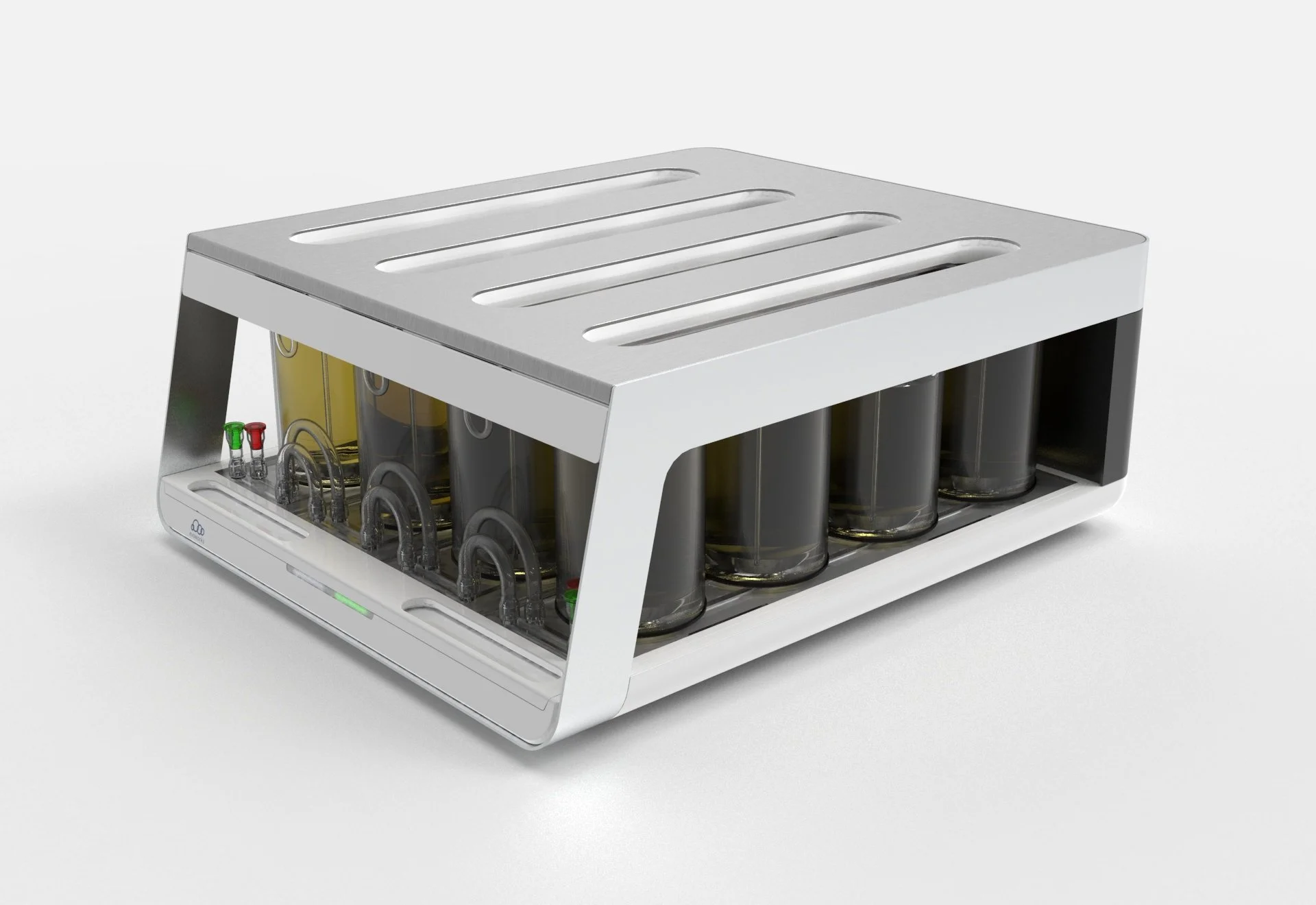
EvoNode Mono — Experiment & Develop
Run up to 12 EvoNodes independently, side by side. Each vessel operates on its own conditions. Best for screening variables, testing protocols, and comparing results in parallel.
Capabilities:
Parallel experiments across multiple conditions
Optional real-time sensing per vessel
Fits into manual workflow—works with your current processes
Optional controls for automated monitoring
Operational in 1 week
Ideal for: Process development, condition screening, early-stage optimization
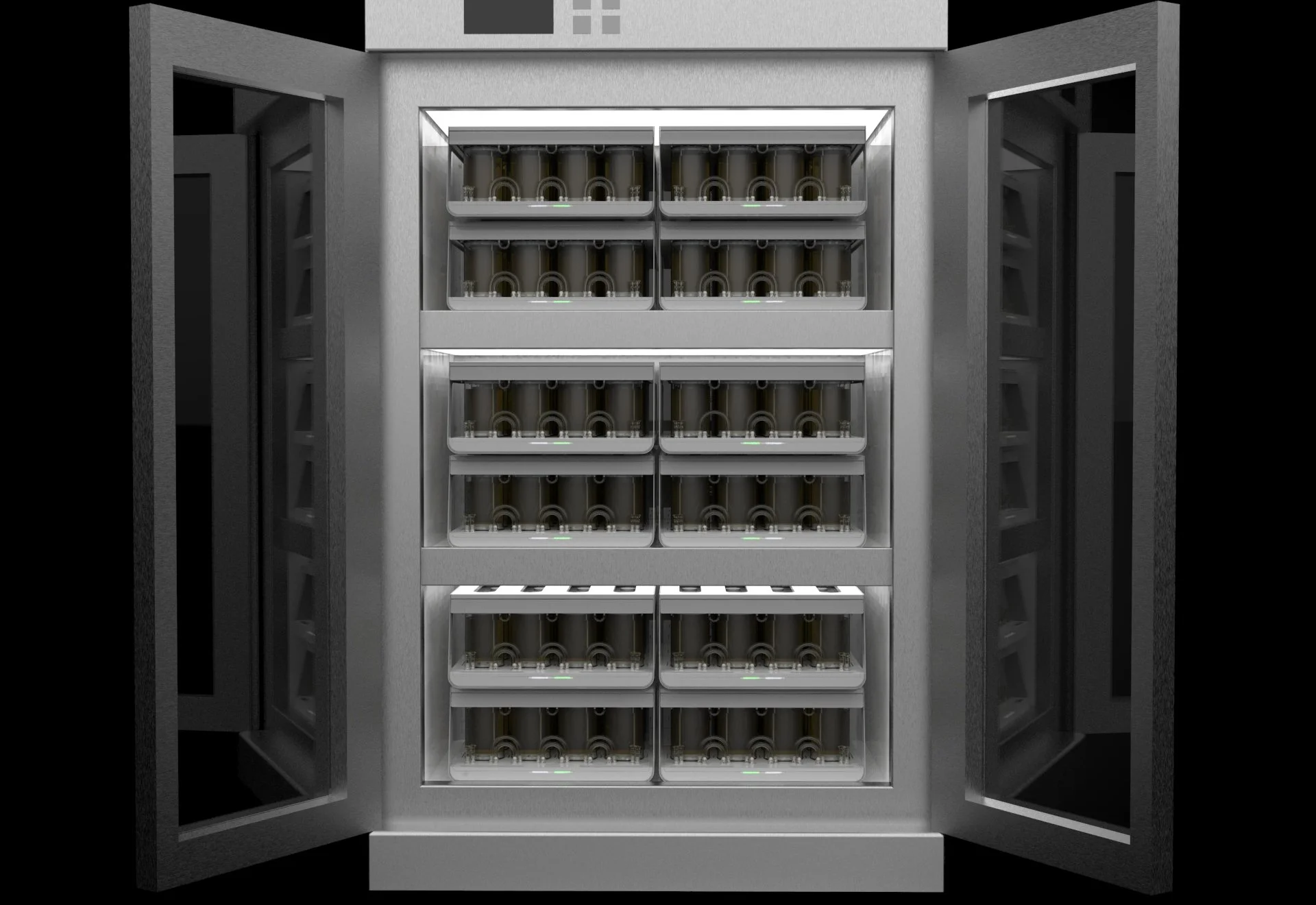
EvoNode Array — Elastic, On-demand Scale-Up
Connect up to 18 EvoNodes into a single integrated array. One system feeds all vessels. Identical conditions across every node. This is how you move from optimization to production volumes without re-validation.
Capabilities:
Replicate ideal conditions across multiple vessels
Seamlessly scale-up to 30 L or more
Automated singe-line fill and drain
Semi-automated feed delivery
Individual sampling per EvoNode
Modular design fits any large-format shaking incubator
Operational in 2–4 weeks
Ideal for: Producing consistent large batches for preclinical studies, diagnostic supply chains, and contract biologics production
Key Capabilities for Biologics Scale-Up
-
Elastic Scalability
Start with a single EvoNode. Add more as your project demands it. Scale from 250 mL to large batches of 10 L+ without switching platforms, process transfers, or re-validation. Move from experiment to production instantly—choose Mono for parallel development or Array for scale-up.
Why teams care: Accelerate timelines by months while lowering costs and eliminating scale-up risk. -

Fits Your Existing Lab
The EvoNode platform is engineered around the infrastructure you already have. Benchtop footprint: 50–165 cm wide × 45 cm deep × 60–65 cm tall (configuration dependent). Fits inside standard incubators and biosafety cabinets. No clean rooms. No additional facilities.
Why teams care: The biggest barrier to new equipment is usually the lab itself. This removes that barrier entirely.
-
Real-Time Monitoring & Data
Optional sensors monitor pH, dissolved oxygen (DO), and dissolved CO2 (DCO2) in real time via optical probes. Data logged automatically throughout every run. pH accuracy to ±0.02 units. DO accuracy to ±2%. The kind of validated data that regulators trust.
Why teams care: You need process data that holds up. The EvoNode platform delivers it without the complexity of over-engineered systems.
-

Rapid Launch for Workflows
Launch biologics capabilities in 1–2 weeks. No specialized facilities. No extensive training—if your team can run shake flasks, they can run Evoworks. Expand protein production, or scale to diagnostic supply without the 6-month ramp that traditional systems require.Why teams care: Respond to market opportunities quickly. Add revenue streams without massive infrastructure investment or specialized hiring.
How the EvoNode Platform Works: Seven Steps to Scale-Up Production
Traditional multi-parallel bioreactor systems require specialized facilities, months of installation, and weeks of operator training. The EvoNode Platform integrates into your existing cell culture workflow in days. Here is what a typical run looks like—from loading to harvest.
Place the EvoNode Array into your existing shaking incubator. The modular design fits standard large-format incubators. Everything works with your current lab setup—no modifications required.
Step 1: Load the Array Into Your Incubator
Connect EvoNode consumables together using aseptic connectors. Consumables maintain the sterile barrier even outside the incubator. All connections can be made in your standard biosafety cabinet.
Step 2: Load and Connect Consumables
Step 3: Prepare Cells and Media
Mix your cell culture media and additives, then add the inoculum. The EvoNode Array system distributes it automatically to all connected vessels—ensuring consistent starting conditions across every node.
Step 4: Automated Fill
Connect your cells and media through the automated pump system. Every EvoNode fills automatically to the same volume using onboard sensors. No manual pipetting required—reducing contamination risk and operator time.
Optional sensors for pH, dissolved oxygen (DO), and dissolved CO2 (DCO2) log data automatically throughout the run. Temperature maintained at 18–55 °C (±0.5 °C). No manual intervention required. Sample per-EvoNode for offline analysis using aseptic sampling ports.
Step 5: Incubate with Real-Time Monitoring
When required, pause the incubator and connect your feed media using the aseptic feed line. Open each valve to feed each EvoNode individually—providing precise fed-batch or perfusion control without breaking sterility.
Step 6: Semi-Automated Feed
Step 7: Harvest Directly
Collect your cell culture product into standard collection vessels. Dispose of single-use EvoNodes. No cleaning validation required. No cross-contamination risk between runs.

Get a quick look at the platform in action >
FAQs
-
EvoNode is the single-use vessel — think of it as a sophisticated shake flask replacement with sample and feed tubes, semi-permeable membrane, and optional sensor ports. EvoNode Mono is a configuration where you run up to 12 EvoNodes independently for parallel experiments. EvoNode Array connects up to 12 EvoNodes into one system for scale-up (10 L total volume), with automated fill/drain and replicated conditions across all vessels.
-
Yes — that's how the platform is designed. Start with EvoNode Mono for parallel process development. When you need large batch volumes, move to EvoNode Array—same consumable, same validated process. When you need preclinical production scale, step up to LabRack (up to 100 L). No equipment changeover. No re-optimization.
-
EvoNode Mono is operational within 1 week. EvoNode Array takes 2–4 weeks for full setup. Training takes less than 3 days either way. Compare that to 4–8 months for traditional over-engineered systems.
-
Optional real-time monitoring of pH (±0.02 accuracy), dissolved oxygen, and dissolved CO2, logged automatically throughout every run via optical probes. Individual sampling per EvoNode for offline analysis. Data is exportable in standard formats.
-
Optional real-time monitoring of pH (±0.02 accuracy), dissolved oxygen, and dissolved CO2, logged automatically throughout every run via optical probes. Individual sampling per EvoNode for offline analysis. Data is exportable in standard formats.
-
It depends on the configuration and scale you need. We'd rather have that conversation directly so we can match the right setup to your situation. Contact our team and we'll walk you through what makes sense.